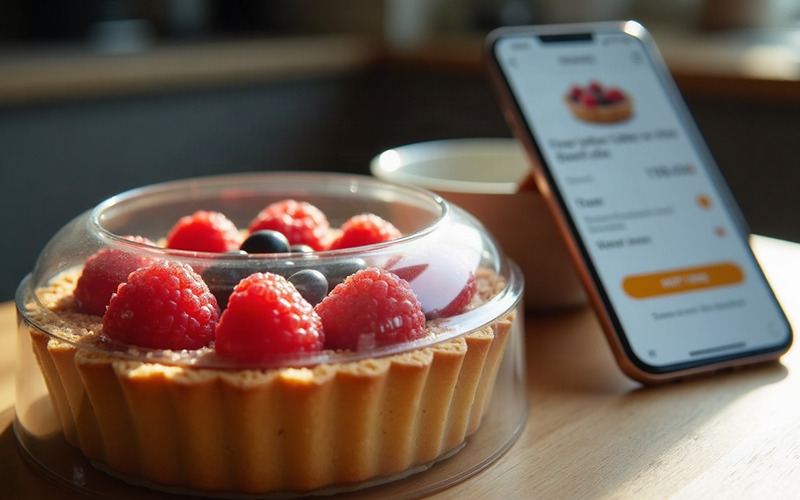
The Digital Bite: How Online Food Ordering is Revolutionizing the Way We Eat
In an era where convenience is king, online food ordering has emerged as one of the most transformative trends in the culinary world. What began as a niche service for tech-savvy urbanites has rapidly evolved into a global phenomenon, reshaping how we dine, how restaurants operate, and even how we socialize. The rise of digital platforms like Uber Eats, DoorDash, and Grubhub has not only changed consumer behavior but has also created new opportunities—and challenges—for the food industry. This digital revolution is more than just a shift in delivery logistics; it’s a fundamental reimagining of the entire dining experience.
The Convenience Factor: Why Do We Order Food Online?
The appeal of online food ordering is undeniable, and its growth can be attributed to several key factors that align with modern lifestyles. First and foremost is convenience. Gone are the days of flipping through paper menus or making phone calls to place an order. With just a few taps on a smartphone, users can browse hundreds of restaurants, customize their meals, and have food delivered to their doorstep in under an hour. This level of accessibility is particularly valuable for busy professionals, students, parents, and anyone juggling multiple responsibilities.
Another driving force is time-saving. In a fast-paced world where time is a luxury, waiting in long lines at a restaurant or cooking a meal from scratch feels like a chore. Online ordering eliminates these inefficiencies, allowing users to multitask—whether they’re working, watching TV, or simply relaxing. The ability to save favorite orders, reorder with one click, and track deliveries in real time further enhances the user experience, making the process seamless and stress-free.
Moreover, online food platforms offer unprecedented variety. Traditional dining often limits choices based on location, but digital ordering breaks down geographical barriers. A resident of a small town can now enjoy sushi, pizza, or a gourmet burger from a top-rated restaurant miles away. Additionally, these platforms frequently feature exclusive deals, discounts, and loyalty programs that incentivize repeat use, making them an attractive option for budget-conscious consumers.
The Impact on Restaurants: A Double-Edged Sword
For restaurants, the shift toward online ordering has been both a blessing and a curse. On one hand, digital platforms have provided a lifeline for struggling eateries, particularly during the COVID-19 pandemic when dine-in services were restricted. Many restaurants that had never offered delivery before suddenly found themselves with a new revenue stream, allowing them to survive and even thrive in challenging times. The ability to reach a broader customer base without the overhead of a physical location has democratized the food industry, giving small and independent restaurants a chance to compete with larger chains.
However, this transformation has also introduced significant challenges. One of the most pressing issues is the high commission fees charged by delivery platforms. These fees can range from 15% to 30% per order, eating into already thin profit margins. Many restaurant owners argue that these costs are unsustainable, forcing them to either increase menu prices or absorb the losses. Some have responded by encouraging customers to order directly through their own websites or apps, bypassing third-party platforms to retain more revenue.
Another concern is the loss of brand control. When customers order through a third-party app, they interact with the platform’s interface rather than the restaurant’s own branding. This can dilute the restaurant’s identity and make it harder to build customer loyalty. To counter this, some establishments have invested in their own delivery infrastructure, whether through in-house delivery teams or white-label apps that maintain their brand presence while leveraging the convenience of digital ordering.
The Role of Technology: From AI to Ghost Kitchens
Technology is the backbone of the online food ordering revolution, and its influence continues to expand. Artificial intelligence (AI) and machine learning play a crucial role in personalizing the user experience. Algorithms analyze past orders, browsing history, and even local trends to recommend dishes tailored to individual preferences. This not only enhances customer satisfaction but also increases the likelihood of repeat orders. Additionally, AI-powered chatbots and virtual assistants are being used to handle customer inquiries, process orders, and resolve issues, reducing the burden on restaurant staff.
Another groundbreaking innovation is the rise of ghost kitchens—commercial kitchens that exist solely for the purpose of preparing food for delivery. These kitchens are often located in low-rent areas and lack a physical storefront, allowing restaurants to operate without the overhead costs of a traditional brick-and-mortar location. Ghost kitchens enable multiple virtual brands to operate under one roof, each catering to different cuisines or dietary preferences. This model has gained traction among both established chains and up-and-coming entrepreneurs, offering a scalable solution to meet the growing demand for delivery-only meals.
Payment technology has also evolved to support the digital food ecosystem. Contactless payments, digital wallets, and biometric authentication have made transactions faster and more secure. Many platforms now offer features like split billing, tipping options, and scheduled deliveries, further enhancing convenience. The integration of real-time data analytics allows restaurants and delivery services to optimize routes, predict demand, and manage inventory more efficiently, reducing waste and improving service quality.
The Social and Environmental Effects: Beyond the Plate
The rise of online food ordering has not only changed how we eat but also how we interact and how our choices impact the planet. On the social front, digital platforms have transformed the way we celebrate and connect. Birthdays, anniversaries, and even work meetings can now be marked with a delivered meal, reducing the need for physical gatherings but also fostering new forms of social interaction. The ability to share food with friends and family through app-based group orders has become a modern tradition, albeit one that prioritizes convenience over communal dining.
However, this shift has also raised concerns about the decline of local dining cultures. As global chains and delivery-only brands dominate the market, smaller, family-owned restaurants may struggle to compete, leading to a homogenization of food options. Additionally, the reliance on delivery drivers has sparked debates about labor conditions, as many gig workers face low wages, lack of benefits, and job insecurity. The rapid growth of the industry has outpaced regulations, leaving many workers vulnerable to exploitation.
Environmentally, the impact of online food ordering is a mixed bag. On the positive side, the efficiency of route optimization and delivery logistics can reduce the carbon footprint compared to individual car trips to restaurants. However, the excessive use of packaging, particularly single-use plastics, has become a major issue. Many delivery platforms rely on disposable containers, utensils, and bags, contributing to plastic pollution. Some companies are beginning to address this by offering eco-friendly packaging options or incentivizing customers to opt out of unnecessary cutlery. Yet, the environmental cost remains a significant challenge for the industry to overcome.
The Future of Food: What’s Next for Online Ordering?
The online food ordering industry shows no signs of slowing down, and its future is likely to be shaped by several emerging trends. One of the most exciting developments is the integration of autonomous delivery vehicles. Companies like Starship Technologies and Nuro are testing self-driving robots and drones to handle the “last-mile” delivery, promising faster and more efficient service while reducing labor costs. While regulatory hurdles remain, the potential for these technologies to revolutionize food delivery is immense.
Another trend to watch is the personalization of meals. Advances in biotechnology and data science may soon allow platforms to tailor meals based on individual health needs, dietary restrictions, or even genetic profiles. Imagine an app that not only recommends your favorite dish but also suggests a meal optimized for your energy levels, allergies, or fitness goals. This level of customization could redefine the concept of personalized dining, making healthy eating more accessible and enjoyable.
The concept of sustainable food systems is also gaining traction. As consumers become more environmentally conscious, there is growing demand for plant-based options, locally sourced ingredients, and zero-waste packaging. Delivery platforms are beginning to partner with eco-friendly restaurants and promote sustainable choices through their apps. In the future, we may see more “green delivery” options, where customers can track the carbon footprint of their order and choose restaurants that prioritize sustainability.
Finally, the boundaries between dining in and dining out may continue to blur. With the rise of virtual dining experiences, some restaurants are experimenting with augmented reality (AR) menus, live-streamed cooking classes, or even interactive meals where customers can join a virtual dining party with friends. These innovations aim to recreate the social and sensory aspects of dining out in a digital format, ensuring that the human connection to food remains intact even as technology advances.
Conclusion: A Bite of the Future
Online food ordering has undeniably transformed the way we eat, offering unparalleled convenience, variety, and innovation. While it has brought numerous benefits to both consumers and businesses, it has also introduced challenges related to labor practices, environmental sustainability, and the preservation of local food cultures. As technology continues to evolve, the industry must strike a balance between progress and responsibility, ensuring that the digital bite of the future remains both delicious and sustainable.
For now, the future of food looks bright, with endless possibilities on the horizon. Whether you’re a busy professional, a foodie exploring global cuisines, or a restaurant owner adapting to new trends, the digital revolution in food ordering is here to stay—and it’s changing the way we think about dining, one tap at a time.
About the Author