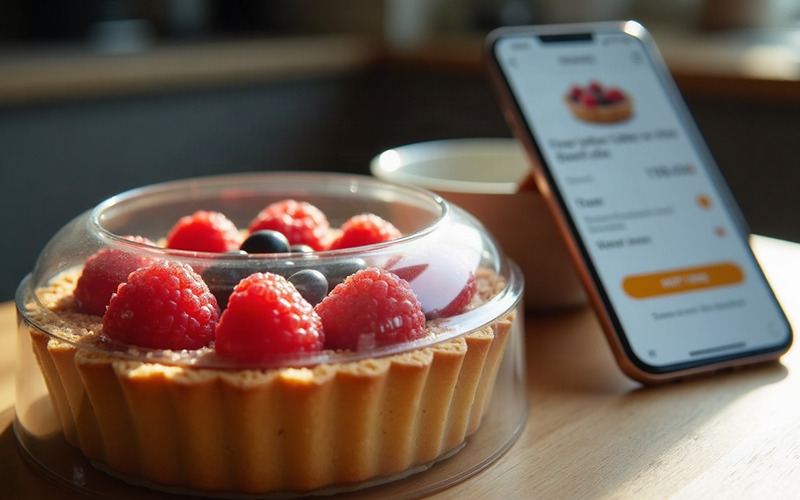
Savor the Speed: How Food Delivery is Rewriting the Culinary Playbook
In an era where time is the new currency, food delivery has transformed from a convenience into a culinary revolution. Gone are the days when dining out meant planning hours in advance or standing in long lines. Today, with a few taps on a smartphone, a world of flavors arrives at your doorstep—hot, fresh, and ready to eat. This shift isn’t just changing how we eat; it’s rewriting the entire culinary playbook, from restaurant operations to consumer expectations. Let’s explore how food delivery is reshaping the way we experience food and what the future holds for this dynamic industry.
The Rise of the Delivery-Driven Diner
Food delivery isn’t a passing trend—it’s a cultural shift. The global pandemic accelerated its adoption, but even before 2020, platforms like Uber Eats, DoorDash, and Grubhub were already reshaping consumer behavior. Today, more than 60% of Americans use food delivery services at least once a month, and the industry is projected to surpass $200 billion globally by 2025. This surge in demand has created a new category of diners: those who prioritize speed, variety, and convenience over traditional dining settings.
The appeal is undeniable. Busy professionals, parents, students, and even remote workers no longer need to compromise on time or taste. Whether it’s a gourmet meal from a Michelin-starred restaurant or a late-night snack from a local joint, delivery ensures that culinary experiences are accessible 24/7. And with features like real-time tracking, estimated delivery times, and contactless drop-offs, the process has become seamless, secure, and stress-free.
How Restaurants Are Adapting to the Delivery Boom
The food delivery revolution isn’t just about the consumers—it’s about the restaurants that are evolving to meet new demands. Traditional brick-and-mortar establishments are no longer the only players in the game. Ghost kitchens, or virtual kitchens, have emerged as a dominant force, allowing restaurants to operate without a physical dining space. These kitchens are optimized solely for delivery, reducing overhead costs while maximizing efficiency.
But it’s not just about cost savings. Restaurants are rethinking their menus to cater to delivery dynamics. Dishes that hold up well during transit—such as hearty pastas, hearty soups, or well-packaged salads—are becoming staples. Additionally, many chefs are experimenting with innovative packaging solutions to preserve temperature, texture, and presentation. Some even include QR codes that link to chef’s notes, pairing suggestions, or behind-the-scenes cooking videos, turning a simple meal into an interactive experience.
Moreover, delivery platforms are offering restaurants valuable data insights. By tracking customer preferences, peak ordering times, and regional tastes, restaurants can tailor their offerings and marketing strategies for maximum impact. This data-driven approach is helping even the smallest eateries compete with industry giants.
The Dark Side: Challenges and Criticisms
Despite its convenience, the food delivery industry faces significant challenges. One of the most pressing issues is the treatment of delivery workers. Gig economy platforms have been criticized for low wages, lack of benefits, and unsafe working conditions. Riders often face unpredictable traffic, extreme weather, and pressure to meet tight delivery windows, all while earning income that barely covers basic expenses. This has sparked debates about labor rights and the need for better regulations to protect workers.
Another concern is the environmental impact of delivery services. Single-use packaging, increased carbon emissions from delivery vehicles, and food waste are all byproducts of the convenience culture. While some companies are taking steps to address these issues—such as offering eco-friendly packaging options or partnering with carbon offset programs—the sustainability of delivery remains a complex challenge.
There’s also the question of food quality. While many restaurants excel in delivery, others struggle to maintain the same standards as in-house dining. Issues like soggy crusts, lukewarm soups, or incorrect orders can dampen the experience. This has led to a rise in customer reviews that specifically comment on delivery quality, pushing restaurants to step up their game.
The Future of Food Delivery: Innovation Meets Tradition
The future of food delivery is brimming with possibilities. Technology is at the forefront of this evolution, with advancements like AI-driven recommendations, drone deliveries, and autonomous vehicles poised to transform the industry. Imagine ordering a meal that arrives via drone within minutes, or receiving personalized suggestions based on your past orders and dietary preferences. These innovations could make food delivery faster, smarter, and more personalized than ever before.
Another exciting trend is the fusion of delivery with local experiences. Some restaurants are partnering with local farms, breweries, and artisans to offer curated meal kits or exclusive collaborations. This not only supports small businesses but also gives customers a taste of the community’s unique flavors. Additionally, subscription-based meal delivery services are gaining traction, offering everything from weekly meal kits to gourmet snacks delivered straight to your door.
As the industry continues to grow, so does the demand for transparency and ethical practices. Consumers are increasingly seeking out delivery services that prioritize fair labor practices, sustainability, and high-quality ingredients. This shift is encouraging companies to adopt more responsible business models, such as fair compensation for delivery workers and partnerships with eco-conscious suppliers.
What’s Next for Diners and Restaurants?
For diners, the future of food delivery promises even greater convenience and customization. Expect to see features like augmented reality menus, where you can virtually “taste” a dish before ordering, or AI-powered chatbots that handle your requests with the precision of a human concierge. The line between dining in and dining out will continue to blur as delivery services integrate more seamlessly into our daily lives.
For restaurants, the key to success will lie in adaptability. Those that embrace technology, prioritize quality, and create memorable experiences will thrive in this new culinary landscape. Whether it’s through ghost kitchens, innovative packaging, or community partnerships, the most successful restaurants will be the ones that can deliver not just food, but an experience.
The food delivery revolution is far from over. It’s a dynamic, ever-evolving movement that’s reshaping how we eat, work, and live. As technology advances and consumer preferences shift, one thing is clear: the culinary playbook is being rewritten, and food delivery is leading the charge. So, the next time you crave a meal, remember—it’s just a tap away. Savor the speed, embrace the change, and enjoy the flavors of the future.
About the Author