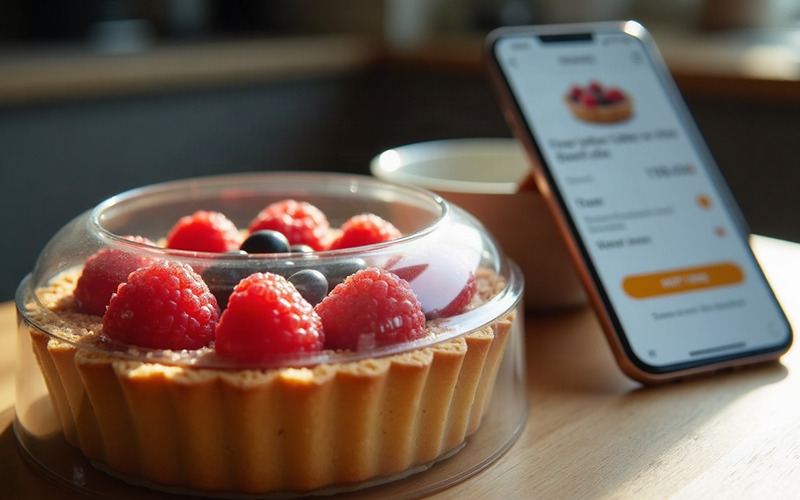
The Rise of Food Delivery: A Modern Culinary Revolution
In an era where time is the most precious commodity, food delivery has emerged as a game-changer, reshaping the way we eat. Gone are the days of planning meals days in advance or rushing through meal prep after a long day at work. Today, with a few taps on a smartphone, a world of flavors is just moments away. This transformation isn’t just about convenience—it’s a cultural shift that reflects our evolving relationship with food, technology, and time. From the rise of gig economy platforms like DoorDash and Uber Eats to the innovative strategies of traditional restaurants, food delivery is more than a trend; it’s a revolution that’s here to stay.
The convenience of food delivery has fundamentally altered consumer expectations. No longer bound by geographic limitations or restaurant hours, people can now enjoy their favorite dishes from halfway around the world without leaving their homes. This shift has been accelerated by global events such as the COVID-19 pandemic, which forced both consumers and businesses to rethink how they engage with food. The result? A booming industry that continues to grow, adapt, and innovate at an unprecedented pace.
Why Food Delivery is Winning Hearts and Tummies
A Feast of Convenience
At the heart of food delivery’s appeal is convenience—a word that resonates deeply in today’s fast-paced society. Imagine coming home after a grueling day at the office, too tired to cook or even think about grocery shopping. Within minutes, you can browse hundreds of restaurant menus, place an order, and have a hot, delicious meal delivered to your door. No trip to the grocery store. No standing in line at a restaurant. No cleanup. It’s the ultimate time-saving solution, and it’s available 24/7.
This convenience extends beyond the home. Offices, dorm rooms, movie nights, and even picnics in the park are now enhanced by the ability to summon food with a single tap. Parents no longer need to worry about cooking meals after a busy day of juggling work and childcare. Students can focus on their studies without sacrificing a nutritious meal. Seniors and individuals with mobility challenges gain independence and access to diverse dining options. Food delivery doesn’t just serve food—it delivers freedom.
Endless Variety at Your Fingertips
One of the most exciting aspects of food delivery is the sheer variety it offers. Traditional dining often limits you to what’s available in your local neighborhood. But with delivery platforms, your options expand exponentially. Craving sushi at midnight? There’s a restaurant for that. Want to try authentic Thai curry from a chef 500 miles away? It’s just a click away. Food delivery breaks down geographical barriers, allowing you to explore global cuisines without ever leaving your living room.
Many delivery apps also feature exclusive partnerships with local chefs, pop-up kitchens, and culinary innovators, offering limited-time dishes you won’t find anywhere else. This democratization of food means that even small, family-run restaurants can reach a global audience, leveling the playing field and enriching our collective food culture.
Affordability Without Compromise
While some assume that food delivery is an expensive luxury, the reality is quite different. Many delivery platforms offer competitive pricing, frequent promotions, and subscription models that make dining out accessible to everyone. Discounts, combo deals, and loyalty programs incentivize repeat customers, making it possible to enjoy restaurant-quality meals on a budget.
For those who value time over money, food delivery often proves to be a cost-effective solution. Consider the true cost of cooking: the time spent shopping, prepping, cooking, and cleaning. Factor in transportation, parking, or rideshare fees, and suddenly, a $15 delivery fee doesn’t seem so steep. When you weigh the convenience against the alternative, food delivery not only saves time but can also save money in the long run.
The Technology Behind the Magic
Apps That Make It All Possible
Behind every seamless food delivery experience is a sophisticated technological ecosystem. Food delivery apps act as digital bridges connecting hungry customers to hungry kitchens. Platforms like Uber Eats, Grubhub, and Deliveroo use advanced algorithms to match orders with nearby drivers, optimize delivery routes, and ensure real-time tracking. These apps are designed for speed, accuracy, and user-friendliness, often integrating with digital wallets, loyalty programs, and even smart home devices for a frictionless experience.
The user interface is carefully crafted to make browsing menus, customizing orders, and completing payments as intuitive as possible. Features like saved addresses, dietary preference filters, and AI-powered recommendations enhance personalization, making each interaction feel tailor-made. Behind the scenes, customer service teams and data analysts work tirelessly to resolve issues, track trends, and improve service quality based on user feedback.
From Kitchens to Doorsteps: The Delivery Ecosystem
The food delivery supply chain is a marvel of modern logistics. It involves multiple stakeholders: restaurants, drivers, dispatchers, payment processors, and customer support teams—all working in harmony to deliver a hot meal in record time. Restaurants, whether large chains or small eateries, can partner with delivery platforms to expand their reach without investing in infrastructure. Cloud kitchens, or ghost kitchens, have even emerged as dedicated spaces solely for fulfilling delivery orders, enabling businesses to operate with maximum efficiency and minimal overhead.
On the delivery side, gig workers—often referred to as “Dashers,” “Runners,” or “Couriers”—play a crucial role. Equipped with insulated bags, GPS-enabled apps, and sometimes e-bikes or scooters, these workers navigate urban landscapes to ensure timely deliveries. Their work is fast-paced, demanding, and often underappreciated, yet it forms the backbone of the entire system. Innovations in route optimization and real-time tracking have improved efficiency, reducing delivery times and increasing customer satisfaction.
The Role of AI and Data in Personalization
Artificial intelligence and big data are transforming how food delivery platforms understand and serve their customers. AI analyzes past orders, browsing behavior, and even seasonal trends to suggest dishes you might love. It can predict peak ordering times, manage inventory for restaurants, and even adjust prices dynamically based on demand. This level of personalization ensures that every user feels seen and valued—a key driver of customer loyalty in a competitive market.
Data also helps restaurants optimize their menus and operations. By tracking which dishes are most popular during lunch rushes or late-night cravings, chefs can refine their offerings and reduce waste. For delivery platforms, anonymized data insights help identify underserved neighborhoods, enabling better infrastructure planning and market expansion.
The Environmental and Social Impact: A Balanced View
The Carbon Footprint Dilemma
Despite its many benefits, food delivery is not without environmental concerns. The reliance on single-use packaging—plastic containers, cutlery, and delivery bags—has contributed to a surge in plastic waste. Add to that the carbon emissions from delivery vehicles navigating busy streets, and the environmental cost becomes hard to ignore. Some delivery platforms have responded with eco-friendly initiatives, such as offering reusable packaging programs, partnering with sustainable restaurants, and promoting low-emission delivery methods like bicycles or electric vehicles.
Consumers, too, can play a role by choosing restaurants that prioritize sustainability, opting for no-cutlery orders when possible, and consolidating deliveries to reduce trips. As the industry matures, there’s growing pressure—and opportunity—for innovation in green logistics and packaging solutions that align convenience with responsibility.
Supporting Local Economies and Small Businesses
On the flip side, food delivery has been a lifeline for many small businesses during challenging times. Restaurants that once relied solely on dine-in customers have found new revenue streams through delivery platforms, helping them survive economic downturns and staffing shortages. This infusion of income supports local jobs, fosters entrepreneurship, and keeps culinary traditions alive in communities across the globe.
Platforms have also introduced features to highlight local and minority-owned restaurants, ensuring that diverse voices are represented in the digital marketplace. By bridging the gap between consumers and small chefs, food delivery isn’t just changing how we eat—it’s helping shape a more inclusive food economy.
Challenges and Criticisms: The Other Side of the Coin
Labor Issues and Worker Rights
One of the most contentious aspects of food delivery is the treatment of gig workers. Many delivery drivers are classified as independent contractors, which means they lack benefits such as health insurance, paid leave, and retirement plans. Wages can be unpredictable, especially during off-peak hours, and workers often bear the cost of vehicle maintenance, parking fees, and insurance. Reports of low earnings and high work-related stress have sparked debates about labor rights and the ethics of the gig economy.
In response, some platforms have introduced initiatives to improve worker conditions, such as offering accident insurance, flexible scheduling, and financial wellness programs. Advocacy groups continue to push for stronger regulations to ensure fair wages and protections for delivery workers, emphasizing that a sustainable business model must include fair treatment of those who make it possible.
Quality and Consistency Concerns
Another common criticism is the perceived inconsistency in food quality when ordering delivery. A dish that looks perfect on a menu photo may arrive lukewarm, overpacked, or missing items. Delays in delivery times can result in soggy fries or melted ice cream. While many restaurants and platforms have improved their packaging and delivery protocols, quality control remains a challenge—especially when food travels through multiple hands and environments.
To address this, some restaurants now offer “delivery-only” versions of their dishes, designed to travel well. Others include tips for drivers on how to handle orders to preserve temperature and presentation. Customer reviews and ratings also play a crucial role in holding businesses accountable and guiding others toward reliable choices.
The Future of Food Delivery: Trends and Predictions
Autonomous Delivery and Robotics
The future of food delivery may be autonomous. Companies like Starship Technologies and Nuro are already testing autonomous delivery robots that navigate sidewalks and residential areas, carrying meals directly to customers’ doorsteps. These small, self-driving vehicles promise faster, cheaper, and more eco-friendly deliveries, especially in urban environments. Drones, too, are being explored for aerial delivery in areas with less dense infrastructure, potentially revolutionizing how food reaches remote locations.
Self-driving cars could further streamline the delivery process by reducing human error, optimizing routes, and operating around the clock. While regulatory hurdles and public trust remain challenges, the integration of robotics and AI into food delivery is not a question of *if*, but *when*.
Hyper-Personalization and Subscription Models
As technology advances, food delivery will become even more personalized. Imagine a service that learns your dietary preferences, allergies, and schedule to automatically place orders for you—delivering meals tailored to your exact nutritional needs. Subscription models are already gaining traction, offering weekly meal plans curated by nutritionists, or “unlimited delivery” passes for frequent users.
Some platforms are experimenting with AI chefs that can create custom recipes based on ingredients you have at home, turning delivery into a two-way culinary experience. The line between dining out and dining in will continue to blur as these innovations evolve.
The Integration of Smart Kitchens and IoT
The Internet of Things (IoT) is poised to transform kitchens and restaurants alike. Smart refrigerators could automatically reorder groceries when supplies run low, while connected ovens might preheat themselves in time for a scheduled meal delivery. Restaurants could use IoT sensors to monitor food freshness, track inventory in real time, and predict demand spikes during major events.
These technologies won’t just make food delivery faster—they’ll make it smarter, more efficient, and deeply integrated into our daily lives. The kitchen of the future may not just receive meals; it may help create them.
Tips for Getting the Most Out of Food Delivery
To truly savor the speed and convenience of food delivery, a little strategy goes a long way. Here are some practical tips to enhance your experience:
- Plan Ahead: Use apps to pre-order during off-peak hours, which often means faster delivery and lower fees. Schedule meals for peak hunger times to avoid long wait windows.
- Read Reviews: Check ratings and comments for both the restaurant and the delivery service. Look for patterns in feedback about food quality, delivery time, and packaging.
- Customize Orders: Don’t hesitate to add special instructions—extra spice, no onions, or a side of extra sauce can make a big difference in your meal’s satisfaction.
- Support Local: Choose local restaurants over chains whenever possible. It supports your community, reduces carbon footprint, and often results in fresher, more authentic food.
- Share the Love: Use referral codes to earn discounts or free meals. Many apps offer incentives for inviting friends to join the platform.
- Leave Reviews: Your feedback helps other users make informed choices and gives restaurants valuable insights to improve their service.
- Try New Things: Food delivery is the perfect opportunity to explore cuisines you’ve never tried. Step out of your comfort zone and discover flavors from around the world.
Conclusion: A Delicious Evolution
Food delivery has evolved from a novelty to a necessity, fundamentally changing how we interact with food, time, and each other. It’s a testament to human ingenuity—the marriage of technology, logistics, and culinary passion that delivers not just meals, but moments of joy, relief, and discovery. Whether it’s a late-night snack, a celebratory feast, or a simple weeknight dinner, food delivery ensures that no craving goes unsatisfied and no schedule is too packed to enjoy great food.
As we look to the future, the possibilities are as limitless as our appetites. With advances in AI, robotics, sustainability, and personalization, food delivery will continue to redefine convenience, accessibility, and culinary creativity. It’s not just about getting food faster—it’s about enriching our lives, one delivery at a time.
So the next time you open your favorite delivery app, take a moment to savor not just the food, but the revolution that brought it to your doorstep. Because in a world that never slows down, food delivery is the delicious pause that lets us all breathe—and eat—just a little bit easier.
About the Author