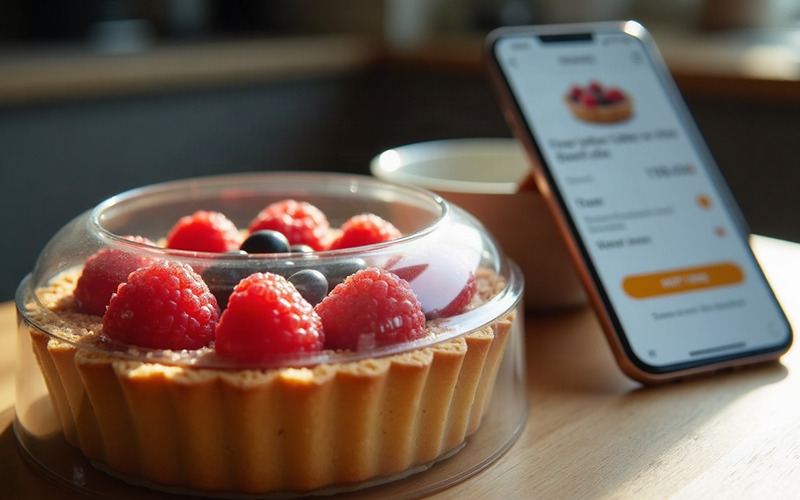
The Digital Feast: A New Era in Dining
Gone are the days when hunger meant a trip to the fridge or a last-minute dash to the nearest café. The rise of online food ordering has transformed the way we think about meals, turning convenience into a science and hunger into a few swift clicks. What started as a novelty in the early 2000s has now burgeoned into a global phenomenon, reshaping not just how we eat, but where, when, and even why we eat. From busy professionals to stay-at-home parents, from late-night cravings to health-conscious meal prep, online food ordering has woven itself into the fabric of modern life.
This revolution isn’t just about saving time—it’s about redefining convenience, choice, and culinary exploration. No longer bound by store hours or location, diners now enjoy access to a world of flavors at their fingertips. The impact spans across industries, from small family-run restaurants to multinational fast-food chains, each adapting to survive and thrive in this digital dining landscape. In this article, we’ll explore how online food ordering is not just changing the game—it’s writing a new one.
From Phone Calls to Push Notifications: The Evolution of Food Ordering
The Pre-Digital Days: A World of Patience and Paper
Before the internet dominated our lives, ordering food was a ritual. You’d flip through dog-eared menus taped to refrigerators, dial a number on a landline, and wait—often for what felt like an eternity—while someone scribbled your order on carbon paper. There were no live updates, no real-time tracking, and certainly no instant feedback. Mistakes were common, and the only way to correct them was to call back and hope the line wasn’t busy. For many, this process was part of the charm—an analog experience that felt personal and intentional.
Yet, as technology advanced, so did expectations. The slow, often unreliable phone-based system began to feel outdated in a world moving toward speed and precision. People wanted control. They wanted transparency. And most of all, they wanted options. The limitations of traditional ordering methods paved the way for a digital transformation that promised—and delivered—exactly that.
The Rise of the Web: First Steps into the Digital Kitchen
The late 1990s and early 2000s marked the first tentative steps into online food ordering. Simple websites began popping up, often nothing more than digital versions of printed menus. Customers could now type their orders instead of speaking them, but the experience was clunky. Payment options were limited to cash on delivery, and tracking orders was still a mystery. Platforms like Pizza Hut’s early online ordering system (one of the first major brands to adopt digital ordering) showed promise, but adoption was slow. The digital divide was real—many people still lacked reliable internet access, and trust in online transactions was low.
Despite these challenges, the seeds of change had been planted. The idea that food could be ordered from a computer—without human interaction—was revolutionary. It hinted at a future where meals could be customized, tracked, and delivered with unprecedented ease. The early adopters weren’t just tech enthusiasts; they were visionaries who saw the potential for a new kind of dining experience.
The Smartphone Revolution: Food in the Palm of Your Hand
The true turning point came with the smartphone. The launch of the iPhone in 2007 and the subsequent app revolution democratized online food ordering, putting it in the pockets of millions. Suddenly, ordering lunch wasn’t just a desktop activity—it was something you could do while waiting for the bus, during a meeting break, or even in bed. Apps like Grubhub, Uber Eats, and DoorDash emerged, each offering sleek interfaces, real-time tracking, and a vast network of restaurants.
This era didn’t just make ordering easier; it made it addictive. Push notifications reminded users of their favorite meals. Loyalty programs rewarded frequent orders. Personalization algorithms suggested dishes based on past choices. The smartphone turned food ordering from a transaction into an experience—one that was interactive, personalized, and deeply integrated into daily life. The convenience wasn’t just about speed anymore; it was about anticipation and engagement.
The Ripple Effect: How Online Ordering is Changing the Culinary Landscape
The Restaurant Renaissance: From Brick-and-Mortar to Click-and-Consume
For restaurants, online ordering has been nothing short of a lifeline. Independent eateries that once relied solely on foot traffic now reach customers beyond their immediate neighborhoods. Ghost kitchens—commercial spaces dedicated solely to preparing delivery orders—have sprung up in warehouses and storefronts alike, allowing chefs to experiment without the overhead of a full-service dining room. Established restaurants have expanded their menus to cater specifically to delivery, crafting dishes that travel well and maintain quality.
But the impact goes deeper than just menu adjustments. Online ordering has forced restaurants to rethink their entire operational model. Kitchen workflows must now accommodate digital orders, with systems designed to prioritize speed and accuracy. Staff training includes not just cooking skills, but customer service for online interactions. Marketing strategies have shifted to focus on app visibility, reviews, and digital promotions. In many ways, a restaurant’s success in the digital age is no longer measured solely by walk-ins, but by clicks and ratings.
The Gig Economy Feast: Fueling the Delivery Engine
Behind every seamless food delivery app is a vast network of gig workers—drivers, cyclists, and sometimes even walkers—who form the backbone of the industry. The rise of platforms like DoorDash, Uber Eats, and Instacart has created millions of flexible, part-time jobs, allowing people to earn income on their own schedules. For students, retirees, and side-hustlers, these delivery roles offer an accessible way to make money without the constraints of a traditional 9-to-5 job.
- Flexibility: Workers can log in during peak hours or take breaks as needed.
- Low Barriers to Entry: No formal education or experience is required to start delivering.
- Instant Pay: Many apps offer daily payouts, providing quick access to earnings.
Yet, this gig economy also faces criticism. Concerns about fair wages, lack of benefits, and the precarious nature of contract work have sparked debates about labor rights and corporate responsibility. As the demand for delivery continues to grow, so does the scrutiny on how these platforms treat their workforce. The future of food delivery may well depend not just on technological innovation, but on ethical labor practices that ensure sustainability for both businesses and workers.
The Foodie’s Playground: Endless Choices at Your Fingertips
One of the most exciting aspects of online food ordering is the democratization of choice. No longer limited to the restaurants within a five-mile radius, diners can now explore cuisines from around the world—without leaving their homes. Vegan fusion spots in Portland, artisanal ramen in New York, authentic biryani in Dubai—all are just a few taps away. Platforms like Uber Eats and Deliveroo have even introduced “food delivery subscriptions,” offering unlimited deliveries for a monthly fee, further blurring the lines between convenience and indulgence.
This abundance of options has also given rise to food influencers and digital food critics, whose reviews and recommendations shape trends overnight. Social media platforms like Instagram and TikTok have become virtual dining guides, with viral dishes often selling out within hours. The act of ordering food has evolved from a necessity to a form of entertainment—a way to discover new cultures, support local businesses, and share experiences with friends, all through a few swipes.
Convenience vs. Connection: The Psychological Impact of Digital Dining
The Paradox of Choice: Too Many Options, Too Little Decision-Making
While the variety of choices in online food ordering is a major draw, it also presents a psychological challenge. The paradox of choice—the idea that having too many options can lead to decision paralysis—is very real in the digital dining world. Studies have shown that when faced with an overwhelming number of restaurants and dishes, people often experience increased stress and anxiety. Instead of feeling empowered by choice, they may end up ordering the same familiar dish out of fear of making the wrong decision.
To combat this, many platforms have introduced “curated” sections, personalized recommendations, and even AI-driven chatbots that guide users through the selection process. These tools aim to simplify the decision-making process, reducing cognitive load while still offering variety. Yet, the challenge remains: how do you balance endless options with a stress-free experience? The answer may lie in the intersection of technology and human psychology—using algorithms not just to sell, but to soothe.
Loneliness on Demand: The Double-Edged Sword of Delivery Culture
One of the most subtle yet profound effects of online food ordering is its impact on social connection. On one hand, food delivery can be a lifeline for people who are isolated—whether due to illness, distance, or circumstance. For seniors, busy parents, or those living alone, a delivered meal can bring a sense of care and continuity. The act of receiving food can feel like a small gesture of kindness from the world outside.
On the other hand, the rise of delivery culture has contributed to a decline in communal dining experiences. Families eating together at the dinner table are becoming less common, replaced by individuals scrolling through their phones while their food arrives. Restaurants that once thrived on the social atmosphere of dine-in service now focus on packaging designed for delivery, often sacrificing the sensory experience of a meal in favor of convenience. The question arises: are we trading connection for convenience, and if so, at what cost?
Some restaurants are attempting to bridge this gap by offering “family meals” or promoting dine-in experiences through their apps. Others are experimenting with virtual dining events where customers can order from a special menu and join a live-streamed cooking class or tasting session. These innovations suggest that the future of food may not be purely digital, but a blend of both worlds—where technology enhances, rather than replaces, human interaction.
The Future on the Horizon: What’s Next for Online Food Ordering?
AI and Machine Learning: The Personal Chef in Your Pocket
The next frontier of online food ordering lies in artificial intelligence. Already, platforms are using AI to predict what you might want to eat based on your order history, the weather, or even your mood. Imagine an app that suggests a hearty stew on a cold day or a light salad before a big meeting. Machine learning can also optimize delivery routes, reduce wait times, and even help restaurants manage inventory more efficiently by analyzing demand patterns.
But AI’s potential goes beyond just recommendations. Some companies are exploring voice-activated ordering through smart speakers, while others are testing chatbots that can handle customer service inquiries or dietary restrictions without human intervention. The goal? To create an ordering experience so seamless and intuitive that it feels almost invisible—like having a personal chef who knows your tastes as well as you do.
Sustainability and Ethics: The Rise of Conscious Consumption
As online food ordering grows, so does awareness of its environmental and ethical implications. The carbon footprint of delivery vehicles, the packaging waste from single-use containers, and the exploitation of gig workers are all pressing concerns. In response, the industry is beginning to shift toward sustainability. Some platforms now offer “eco-friendly” delivery options, partnering with restaurants that use compostable packaging or source ingredients locally. Others are experimenting with bike couriers in urban areas to reduce emissions.
- Carbon-Neutral Deliveries: Apps like Uber Eats are piloting programs where customers can opt for carbon offset deliveries.
- Zero-Waste Packaging: Restaurants are adopting reusable or biodegradable containers, sometimes offering discounts for customers who return them.
- Supporting Local Farmers: Some platforms highlight restaurants that partner with local farms, reducing the environmental impact of food transportation.
The challenge for the future will be balancing convenience with responsibility. Can the industry innovate without harming the planet? Can it grow without exploiting its workforce? These questions will shape the next phase of online food ordering, determining whether it becomes a force for good or a cautionary tale of unchecked progress.
The Metaverse of Food: Virtual Dining and Augmented Reality Menus
It may sound like science fiction, but the metaverse is already making its way into the food industry. Virtual dining experiences—where users order food that arrives in their physical location but is themed around a digital world—are gaining traction. Imagine ordering a meal inspired by a fantasy game, complete with themed decor and a soundtrack that matches the setting. Platforms like Meta’s Horizon Worlds are exploring these concepts, blending food, technology, and entertainment into a single experience.
Augmented reality (AR) is another innovation poised to change how we interact with menus. Instead of scrolling through static images, customers could point their phone cameras at a restaurant’s flyer or storefront, and an AR overlay would display dish recommendations, nutritional information, or even animations that bring the food to life. These technologies could make the ordering process more immersive, engaging, and fun—turning a simple meal into an adventure.
Savoring the Click: Embracing the Future of Food Ordering
The story of online food ordering is still being written, but one thing is clear: it has fundamentally altered the way we think about food, convenience, and connection. What began as a simple tool to save time has evolved into a complex ecosystem that touches every aspect of the culinary world—from the kitchens that prepare our meals to the drivers who deliver them, from the algorithms that predict our cravings to the sustainable practices that will shape our planet’s future.
Yet, amid all this innovation, the heart of the matter remains the same: food is about more than just sustenance. It’s about culture, community, and comfort. The challenge for the future will be ensuring that as technology advances, we don’t lose sight of what makes dining special. Whether it’s a family recipe passed down for generations or a spontaneous street food discovery on a trip abroad, food connects us to each other and to the world in ways that no app ever could.
So the next time you “savor the click” and place an online order, take a moment to consider the journey behind it—the chefs, the drivers, the developers, the farmers—and the people who made it possible. And remember: while the method of ordering may be digital, the experience of eating is as human as it’s ever been.
About the Author