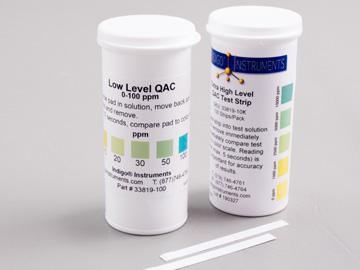
Maintaining proper sanitation levels is critical in environments where hygiene and safety are paramount, such as food processing facilities, healthcare settings, and hospitality operations. Sanitizer test strips provide a simple, reliable way to monitor the effectiveness of disinfectants, including alcohol-based and quaternary ammonium solutions. By using these test strips, businesses can ensure that surfaces are properly sanitized, compliance standards are met, and risks of contamination are minimized.
How Sanitizer Test Strips Work
Sanitizer test strips are designed to measure the concentration of active ingredients in disinfectant solutions. Alcohol-based solutions, often containing ethanol or isopropanol, and quaternary ammonium compounds require specific concentrations to effectively kill bacteria and viruses. Using test strips ensures that these solutions remain within the proper range, providing reliable protection.
The test process is straightforward. A strip is dipped into the sanitizer solution, and the strip changes color based on the concentration of the active ingredient. Each manufacturer provides a color chart that corresponds to different concentration levels, allowing users to determine whether the solution meets safety standards. This immediate visual feedback makes it easy to identify when solutions need adjustment or replacement.
Regular testing with sanitizer test strips prevents the use of ineffective solutions, which can result from improper dilution, evaporation, or contamination. By monitoring both alcohol and quaternary solutions, facilities can maintain consistent sanitation practices and protect employees, customers, and clients from potential health risks.
Benefits of Using Sanitizer Test Strips
Sanitizer test strips offer multiple benefits for businesses and institutions that rely on disinfectant solutions. One of the primary advantages is accuracy. Manual dilution of solutions can lead to inconsistent concentrations, but test strips allow staff to quickly verify that the active ingredients are at the proper level. This reduces the risk of ineffective sanitation and potential outbreaks of bacteria or viruses.
Another benefit is convenience. Test strips are compact, easy to use, and provide instant results without the need for specialized equipment. Staff members can perform tests during routine cleaning procedures, integrating monitoring seamlessly into daily operations. This accessibility ensures that proper sanitation practices are consistently maintained, even in busy or high-volume environments.
Cost-effectiveness is also a consideration. By ensuring that sanitizer solutions are properly mixed and not overused, businesses can reduce waste and avoid the expense of replacing ineffective products. In addition, regular testing helps facilities comply with local health regulations and industry standards, reducing the risk of penalties or closures due to non-compliance.
Best Practices for Monitoring Alcohol and Quaternary Solutions
Using sanitizer test strips effectively requires following proper procedures and guidelines. First, staff should be trained on how to read the color changes accurately and understand the concentration ranges recommended for different disinfectants. It is important to follow manufacturer instructions carefully, as different brands may have specific testing protocols.
Testing should be performed regularly, ideally before and during each shift, to confirm that sanitizer solutions are within the required concentration range. Alcohol-based solutions may evaporate over time, lowering their effectiveness, while quaternary ammonium solutions can be affected by improper storage or dilution errors. Frequent monitoring ensures that both types of disinfectants remain reliable.
Documentation of test results is another best practice. Recording concentrations, testing times, and corrective actions provides a clear record for regulatory compliance and quality control purposes. Facilities can identify trends, such as consistent under-dilution or evaporation issues, and adjust cleaning protocols to maintain optimal sanitation.
Integrating Sanitizer Test Strips Into a Safety Program
Sanitizer test strips are most effective when integrated into a comprehensive hygiene and safety program. In addition to monitoring alcohol and quaternary solutions, facilities should establish standard operating procedures for cleaning, disinfecting, and maintaining equipment. Staff should receive ongoing training on proper sanitation techniques and the importance of using test strips to verify solution effectiveness.
By combining routine testing with consistent cleaning protocols, businesses create a reliable system for preventing contamination and ensuring safety. Regular audits and reviews of testing procedures further enhance accountability and allow facilities to make improvements where necessary. This proactive approach demonstrates a commitment to hygiene and builds confidence among employees, customers, and regulatory authorities.
Sanitizer test strips serve as a vital tool in maintaining proper concentrations of alcohol and quaternary solutions. Their simplicity, accuracy, and cost-effectiveness make them an essential component of any sanitation program. By using test strips regularly, documenting results, and training staff appropriately, businesses can protect health, maintain compliance, and optimize the effectiveness of their disinfectant solutions.
Through consistent monitoring and integration into broader hygiene practices, sanitizer test strips help ensure that alcohol and quaternary solutions remain reliable, safe, and effective. Facilities benefit from improved sanitation outcomes, reduced risk of contamination, and confidence in their daily cleaning and disinfection routines.
About the Author