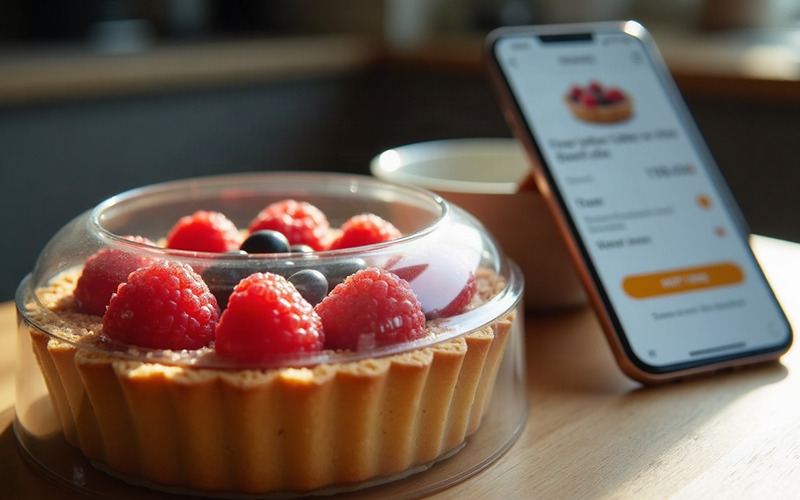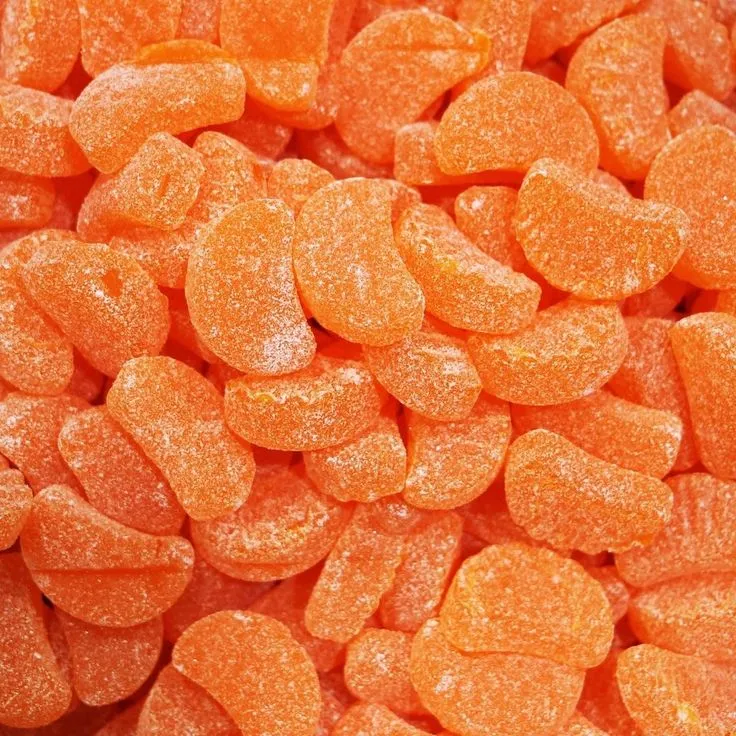
Orange is a vibrant and versatile color that can pair well with various foods and drinks. The right color can reinforce a product’s visual identity and make it more appealing, whether in a fruit drink, confectionery or sauce and dessert. Natural orange food coloring offers the manufacturer the opportunity to develop warm colors using natural ingredients whilst taking into account the requirements of the product being formulated.
Understanding Natural Orange Color Sources
Natural orange colors can be achieved from various materials such as those used to create yellow, orange and red coloring. The color of the final product may be affected by the source chosen, as may the intensity and overall look.
The manufacturer should take into account the use of the ingredient prior to making a selection. Bright orange drinks might need a different color approach when compared to a baked good or candies. The color of food surrounding selected foods can also influence the way the selected shade appears.
It is helpful to begin with the color that you would like to end up with as a reference to help you decide on a suitable choice.
Why Organic Food Coloring Can Be Considered
Organic food coloring might be part of manufacturers’ ingredient decisions when creating a product based on a specific preference. Different products require different concepts and formulation requirements, as well as different standards and color results.
When evaluating an option, it is helpful to consult product documentation and/or ingredient specifications. This enables the development team to know about the source, format, intended use and other relevant properties before going to the formulation testing stage. A good understanding of the product requirements assists the manufacturers in making a more focused choice.
Why Organic Food Coloring Can Be Considered
Orange can be a wide variety of colors: soft and golden, or brighter and deeper orange. The desired outcome varies depending on the food category and the desired look that the manufacturer would like to achieve.
Fruits and beverages can be bright shades of orange, while dairy products or desserts may be more suited to lighter hues. For confectionery and snack products, there are more ways to show the colors that can be more expressive. Product trials can be used to determine the right concentration of a specific food product by comparing different concentrations of a product.
Considering the Food Matrix
Neighboring colors can affect the characteristics of the color. In the color development process, many characteristics of the formulation (including acidity, moisture, fat content, and texture) may be relevant. That’s why it’s important to test the color that you’ve chosen in the product itself. A sample that may appear good on its own might look different when mixed with other ingredients.
Small-scale trials enable product developers to make a comparison between a number of formulations and determine which has the desired effect at what concentration and application technique.
Evaluating Processing Conditions
Cooking, cooling, mixing, freezing, drying, etc., can be used in food production. Such conditions should be taken into account when choosing a natural color for a commercial product.
Trials can be reproduced to see the color’s behavior throughout production by the developers. This will give valuable information on the final look and facilitate the teams in adopting a repeatable formulation process. Storage conditions can also be included in the evaluation. For product development and product production planning, it could be useful to observe the product during the period of the expected storage.
Choosing the Right Ingredient Format
Natural color ingredients may come in either liquid or powdered form, depending on the product and its use. Which is the most suitable option might vary based on equipment, moisture content, ingredient order, and dispersion of the color.
Manufacturers will be able to test the handling needs of each format in product trials. A format that can be easily incorporated into an existing production process can simplify the commercial use. Technical guidance can also be used to inform development teams of the format that might be appropriate for their specific food system.
Creating a Consistent Orange Appearance
After choosing the preferred color source and color application method, the manufacturers are able to record important information about the formulation. These can involve dosage, mixing instructions, processing conditions and the shade desired.
If the specifications are explicit, the production team can enjoy the uniformity of the appearance of products in different batches. They’re also useful for reference when product lines need to be extended, or a new product launched with the same look and feel.
Conclusion
There are various factors to consider when selecting an orange color solution, and it’s not just about picking a color from a sample. Food app, ingredient choice, formulation properties, processing settings and preferred format are some factors manufacturers can use when making a final decision. If carefully tested, natural orange hues can be an effective component of a number of product concepts. Visit foodrgb.com to learn about suitable solutions for your next food or beverage formulation, as well as continue to build an appealing finished product.
About the Author